

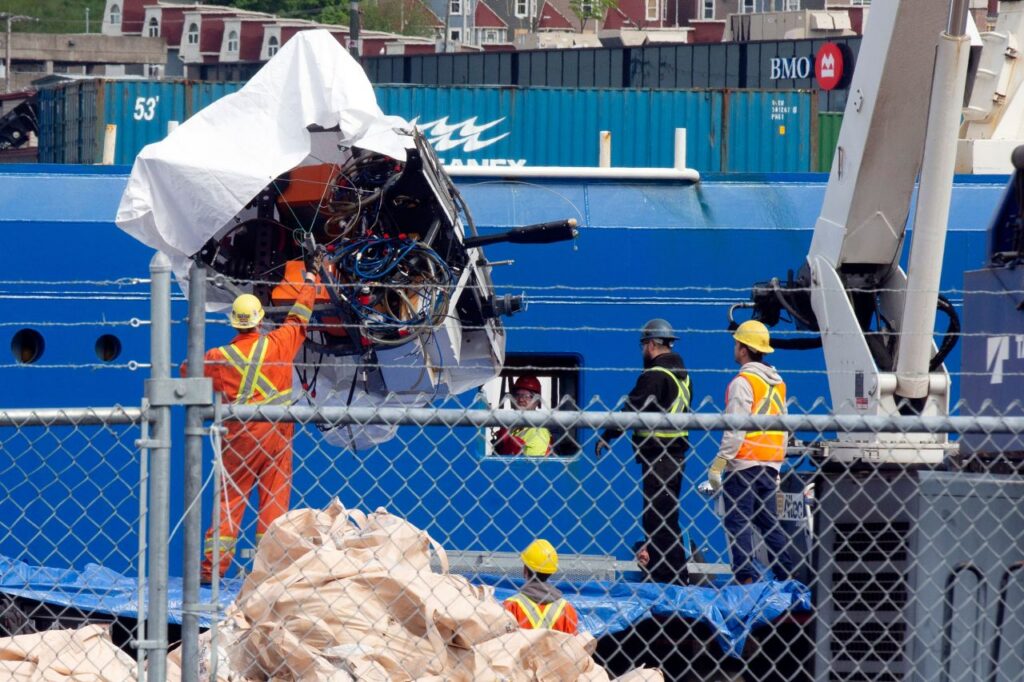





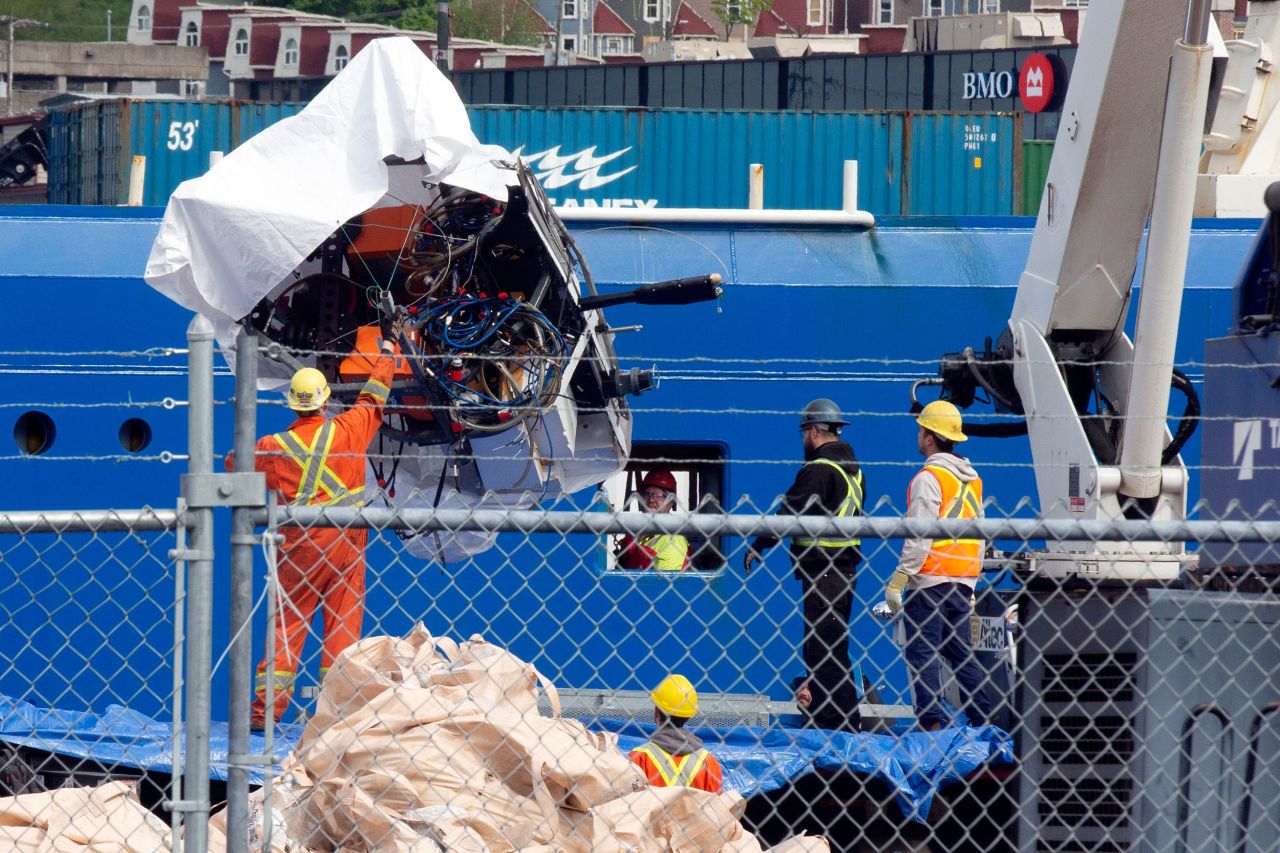
Since the submersible’s implosion over two years ago, the industry has spent time reflecting on the importance of nailing down a standard across the board, Kohnen said.
“People are paying attention,” he said.
He thinks that another important step is making sure different facets of the industry and maritime authorities are connected to one another and build relationships with one another. Being able to call up a colleague and get their opinions on a situation could potentially save lives, he said.
“This five minute conversation can go a long ways into avoiding some big issues,” Kohnen said. “So just when we think it seems like too dumb to be a real problem, you find out, no, it is a real problem, and it’s not as simple to sort out as it appears.”
Kohnen said the industry’s annual conference will be hosted in the first international location in its history, with the hope of getting more attendance from countries around the world and to encourage international cooperation in regulations.

Another glaring problem found in the US Coast Guard’s report was the “toxic workplace culture” at OceanGate, instituted by Rush and his management style.
Rush held much of the decision-making power as he filled multiple roles within the company, centralizing his power and avoiding checks and balances from the company’s board.
“Overall, the MBI believes Mr. Rush deliberately sidelined OceanGate’s Board and did not solicit its collective expertise so he could proceed unchecked with his vision to conduct TITANIC expeditions, regardless of any mounting safety concerns,” the report stated.
When asked if the culture issues were isolated to OceanGate or reflect an industry-wide concern, Kohnen said he considers this situation a “civic dereliction of duty.”
The MBI, the US Coast Guard’s highest level of inquiry, called on the agency to pursue a new regulation requiring all submersibles in the US to be built and maintained under uniform standards.
The report cites “the lack of comprehensive and effective regulations for the oversight and operation” of submersibles designed or operated in the US.
In the Titan’s case, the MBI found the “primary contributing factors” to the implosion were OceanGate’s “inadequate design, certification, maintenance and inspection process,” a Coast Guard release said.
Kohnen said the need for comprehensive regulation is something the industry has “been preaching in the desert for 20 years.”

Stockton Rush, the founder and CEO of the vessel’s operator, OceanGate; businessman Shahzada Dawood and his 19-year-old son, Suleman Dawood; businessman Hamish Harding; and French diver Paul-Henri Nargeolet were all killed. Those remains were matched to the five men on board through DNA testing and analysis, the Marine Board of Investigation previously said.
“The two-year investigation has identified multiple contributing factors that led to this tragedy, providing valuable lessons learned to prevent a future occurrence,” Jason Neubauer, the MBI chair, said in the statement. “There is a need for stronger oversight and clear options for operators who are exploring new concepts outside of the existing regulatory framework.”
OceanGate is no longer operating, but a spokesperson on Tuesday extended its condolences to the families of those killed in the implosion.
The US Coast Guard Marine Board of Investigation tasked with examining the June 2023 implosion of the Titan submersible released its report on Tuesday, with the board chair stating that the deaths of the five people on board were “preventable.”
The report lays responsibility for the tragedy largely at the feet of OceanGate, the Washington-based company that operated Titan. The MBI found the “primary contributing factors” to the implosion were OceanGate’s “inadequate design, certification, maintenance and inspection process for the Titan,” a Coast Guard release said, also pointing to the company’s “toxic workplace culture.”






Leave a comment
You must be logged in to post a comment.